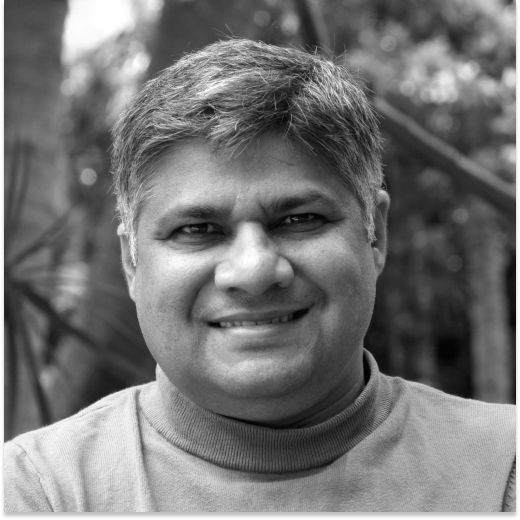

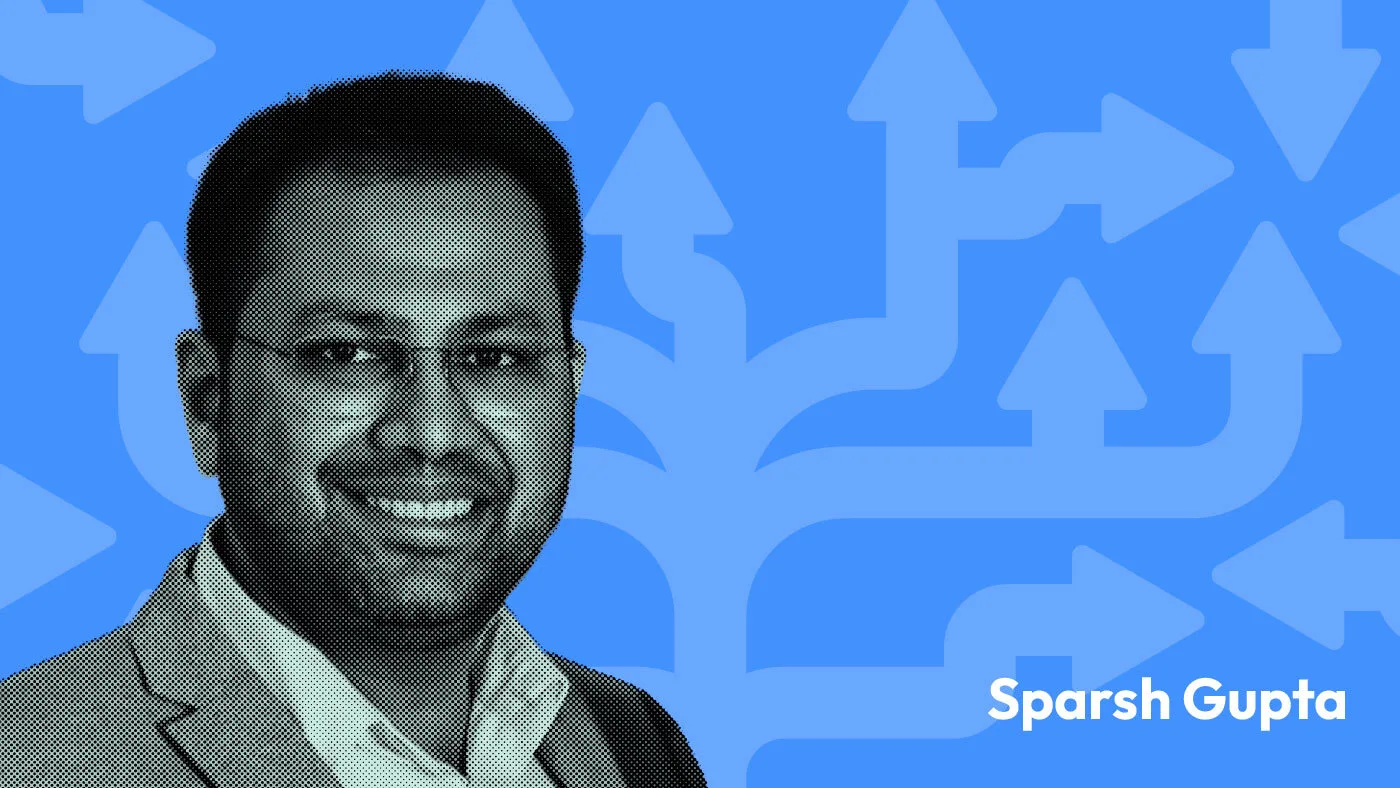
Nature is rarely in a hurry, and somehow she still manages to get everything done on time and exactly as she designed it. My friendship with Sparsh Gupta has probably resembled that of nature creating a beach. While I don’t have centuries to erode a mountainside away, Sparsh and I have been terraforming our relationship for the better part of a decade. Maybe even more.
When I first met him during The Goa Project in 2013-14, I would not have imagined that 12 years later, I would be writing a post about him. In Goa, Sparsh walked alongside his co-founder, Paras, but he wasn’t in the same room. It was like Sparsh was in another world, or wished he was anyway. But even in his discomfort in a room full of people, he had a calming presence, and I bookmarked it for future reference.
We wouldn’t meet again for a few years. But when the opportunity came, I knew I wanted him in the room. It was 2017, or maybe 2018. I invited Sparsh, who had then taken over as the chief executive of Wingify, to a bootstrapped founder retreat. His SaaS company had the rare distinction of being a quiet, maybe even secret, success story. But during the retreat, Sparsh transformed himself into a student, seeking to learn from every founder present. It didn’t matter what his ARR was; he was a sponge, eager to absorb everything he could. It was not a one-way street either. Sparsh discussed his own scaling strategies and dived deep into every subject founders had questions about. He was learning not just from their successes but from their mistakes.
After his session, our WhatsApp group exploded. Every founder in our cohort wanted facetime with Sparsh. In a few short weeks, he was part of more than six WhatsApp groups, patiently listening and participating. His presence meant more founders wanted to join our retreats. Our first bootstrapped retreat had about six people. Now it has 14, and many more want to join. Most have heard of Sparsh and want time with him.
That shift matters more than the numbers suggest. The person I had first spotted retreating into himself in Goa was now the reason founders were showing up. He had crossed an invisible threshold, from being shaped by the room to shaping it.
There is a particular kind of leader who leads not by taking up space but by making space. Warren Buffett has often described his role at Berkshire in similar terms: he clears the path and gets out of the way. Sparsh has arrived at something like that posture. He doesn’t hold court. He listens, contributes where it counts, and lets others carry the moment home.
That instinct is what made him a natural anchor for F6, a platform I built with a group of founders where six peers come together, each finding five members to form a continuous, transparent advisory board. Sparsh was there from the beginning, silent but very effective. Now we are building a new cohort with him at the centre, and it feels right because he never performs mentorship. It just happens around him.
He lives in NCR, and we meet a few times a year to catch up on life, work, and philosophy. Every time I see him, I notice something different. He doesn’t retreat within himself the way he once did. Those early meetings, where a handshake gave way to an uneasy silence, and we would part with a polite nod, feel like a different chapter entirely. He figured out that he was introspective to a fault, and he worked on it, one layer at a time.
If we imagine personality as a spectrum, Vinod Muthukrishnan is at one end. He can discuss politics, history, sales techniques, and business philosophy in the same breath with equal enthusiasm. On the other end was Sparsh. He was very much an engineer, most comfortable plugged into his world, solving problems. He may have had opinions, but he kept them very much to himself. But he worked on himself; over time, he learned to talk business and found the confidence to stand out in crowded rooms. He doesn’t have Vinod’s sense of humour, but he has his own gravitas. That quiet presence I noticed many years ago still carries.
Thank you, Sparsh. SaaSBoomi is fortunate to have you, even if you would rather we didn’t say so.